reduce to
US /rɪˈdus tu/
・UK /riˈdju:s tu:/
B1
phr. v.Phrasal VerbTo simplify or condense something.
The recipe reduces to just five ingredients.
phr. v.Phrasal VerbTo bring someone to a lower or worse state or condition.
His gambling habit reduced him to poverty.
phr. v.Phrasal VerbTo force someone to do something unpleasant or undesirable.
They were reduced to begging for food.
Video subtitles
What is the impact of lithium mining? | BBC News

- Currently we have 120 litres per second and we are going to reduce to close to zero.
Currently we have 120 litres per second and we are going to reduce to close to zero.
- Currently we have 120 litres per second, and we are going to reduce to close to zero.
Currently we have 120 litres per second, and we are going to reduce to close to zero.
English Pronunciation: how to pronounce the Word AND -- American Accent

- can reduce to an', or nn, also the schwa-N sound, uhn, as in this example.
can reduce to an', or nn, also the schwa-N sound, uhn, as in this example.
- 'and' in everyday conversation will probably reduce to an' or simply nn. And it will link
'and' in everyday conversation will probably reduce to an' or simply nn. And it will link
TSUP!? - it's, what's, that's as TS: American English Pronunciation

- simply the TS sound, ts, ts. There are two other words that can reduce to this sound.
simply the TS sound, ts, ts. There are two other words that can reduce to this sound.
- There are two other words that can reduce to this sound.
There are two other words that can reduce to this sound.
How to Pronounce "I have got to" + Thanksgiving 2011! -- American English
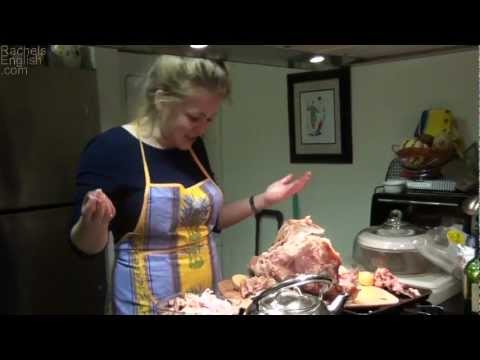
- I make "I have" a contraction: I've. "Got" and "to" reduce to "gotta" [x2]. The T here
I make "I have" a contraction: I've. "Got" and "to" reduce to "gotta" [x2]. The T here
- When I say the phrase, I make "I have" a contraction, "I've." Got and to reduce to "gotta." Gotta.
When I say the phrase, I make "I have" a contraction, "I've." Got and to reduce to "gotta." Gotta.
How to Pronounce TOMORROW - American English

- the same rules as the word 'to'. So, the vowel will reduce to the schwa. To-, to-, just like
the same rules as the word 'to'. So, the vowel will reduce to the schwa. To-, to-, just like
- The first syllable follows the same rules as the word to, so the vowel will reduce to the schwa.
The first syllable follows the same rules as the word to, so the vowel will reduce to the schwa.
How to Pronounce 'to the' in a Sentence: American English

- here. The word 'to' will reduce to either the true T-schwa sound, or the flap T-schwa
here. The word 'to' will reduce to either the true T-schwa sound, or the flap T-schwa
- The word "to" will reduce to either the true T schwa sound or the flap T schwa sound.
The word "to" will reduce to either the true T schwa sound or the flap T schwa sound.
Pronunciation Study Exercise: Evening Plans - American English
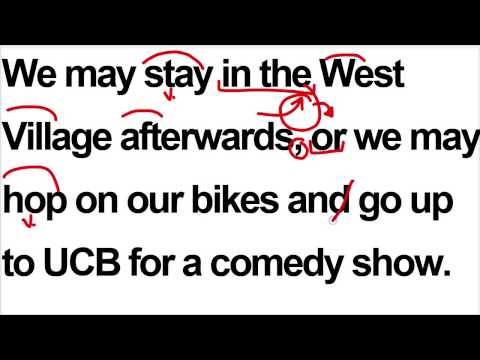
- can reduce to 'er': or we may. But here I said 'or we may, or we may'. I did not reduce
can reduce to 'er': or we may. But here I said 'or we may, or we may'. I did not reduce
- That's one word that can reduce to er, er, er, or we may, or we may,
That's one word that can reduce to er, er, er, or we may, or we may,
What is the stock market and how does it work? | BBC News

- On Friday, when Trump said he had spoken with the Vietnamese and that the US officials had spoken with Vietnamese officials, and there was potentially a deal in the works for Vietnam, which has been hit with this 46% tariff by the US, which is quite a significant level, that they would reduce to zero all of their tariffs on US goods going into that country.
On Friday, when Trump said he had spoken with the Vietnamese and that the US officials had spoken with Vietnamese officials, and there was potentially a deal in the works for Vietnam, which has been hit with this 46% tariff by the US, which is quite a significant level, that they would reduce to zero all of their tariffs on US goods going into that country.
English Conversation & Idioms -- Study American Pronunciation
- It’s, that’s, and what’s, all reduce to the TS cluster. Check out the video I made
It’s, that’s, and what’s, all reduce to the TS cluster. Check out the video I made
Reduction: the word AT -- American English Pronunciation

- will often reduce to the schwa vowel. The final T will either be a stop T or a flap
will often reduce to the schwa vowel. The final T will either be a stop T or a flap
- But in a sentence, it will often reduce to the schwa vowel: uh, uh, uh.
But in a sentence, it will often reduce to the schwa vowel: uh, uh, uh.